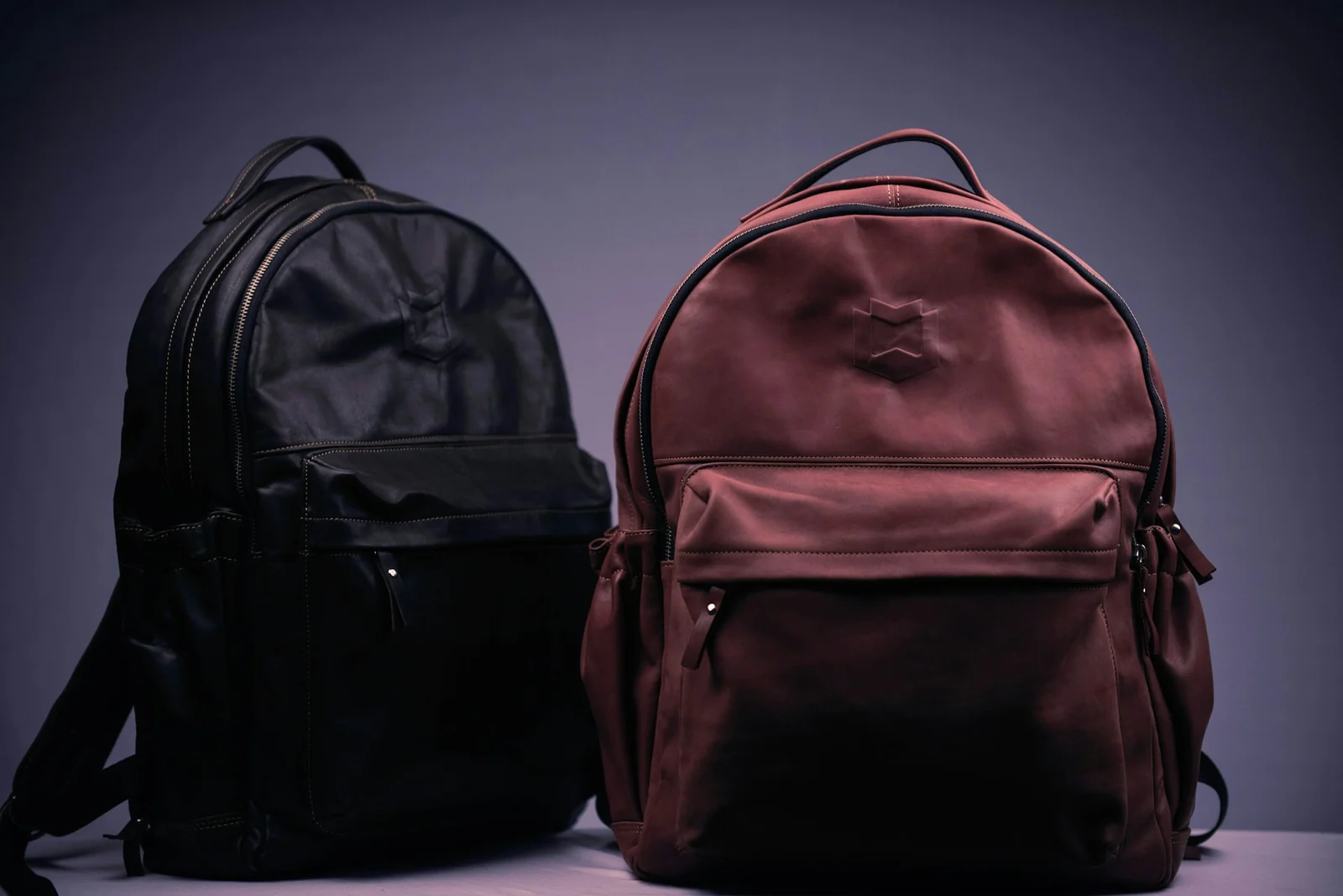
For 24 hours: avoid duplicates
One night often needs little more than a change of clothes, a small wash bag and a few accessories. The common mistake is adding a second pair of trousers, extra shoes or several ‘just in case’ items. Without a laptop or specialist clothing, 10 to 18 litres can be more than enough.
For 48 hours: prioritise versatility
Two nights rarely need twice the space. One outfit worn in transit, one extra top, underwear, a weather layer and a small wash bag cover many weekends. Around 16 to 24 litres usually leaves useful spare room without becoming cumbersome.
For 72 hours: habits start to matter
Three days still work with a small bag, but personal habits become more visible. Someone happy to repeat trousers and use one pair of shoes can stay around 20 litres. Add sport, a laptop, camera equipment or a second pair of shoes and 25 to 30 litres becomes much more realistic.
A laptop changes more than an extra night
A laptop brings not only its own volume but also a charger, perhaps a mouse, adapters and a padded compartment that reduces usable space. If you travel for work, choose the bag around the computer rather than forcing it into an already over-optimised format.
Shoes are the second major factor
A second pair of shoes can take the same space as several clothing items. For a short city break, wearing one versatile pair for the entire trip is often the easiest way to keep the bag small. If the trip requires specialist footwear, budget that volume from the start.
Cold weather adds bulk quickly
Technical layers can pack small, but thick knitwear, heavier trousers and winter accessories change the calculation. Wearing the bulkiest layer in transit again reduces what the bag needs to carry.
On low-cost airlines, dimensions matter more than litres
A 25-litre bag may fit EasyJet’s free allowance and still exceed Ryanair’s depending on shape. Capacity never replaces external dimensions. If you want free-bag compatibility across several airlines, start from the strictest dimensions and build the packing list around them.
Our simple starting point
For a light traveller, roughly 15 litres for 24 hours, around 20 litres for 48 hours and 20–25 litres for 72 hours are useful starting points. They are not universal rules; adjust for weather, technology, footwear and activities.
| Length | Often enough | Typical profile | What changes everything |
|---|---|---|---|
| 24 h | 10–18 L | One outfit, small wash bag, charger | Laptop, extra footwear, winter |
| 48 h | 16–24 L | Simple two-day trip with versatile clothing | Sport gear, camera kit, bulky jacket |
| 72 h | 20–30 L | Long weekend or city break | Cold weather, laptop, multiple shoes |
How we work
We verify information, cite sources where relevant and date our updates. Prices, availability and rules that may change should always be checked again with the relevant source or service.
Read our full method →