
Add transfers
Central station by foot or metro versus an airport 30–60 km away: first- and last-mile cost and time can erase a ticket-price gap.
Add the baggage and extras you actually need
Train travel often accommodates more luggage without a separate add-on, while a low-cost flight may require a large cabin bag, hold luggage or seating. Compare your actual trip.
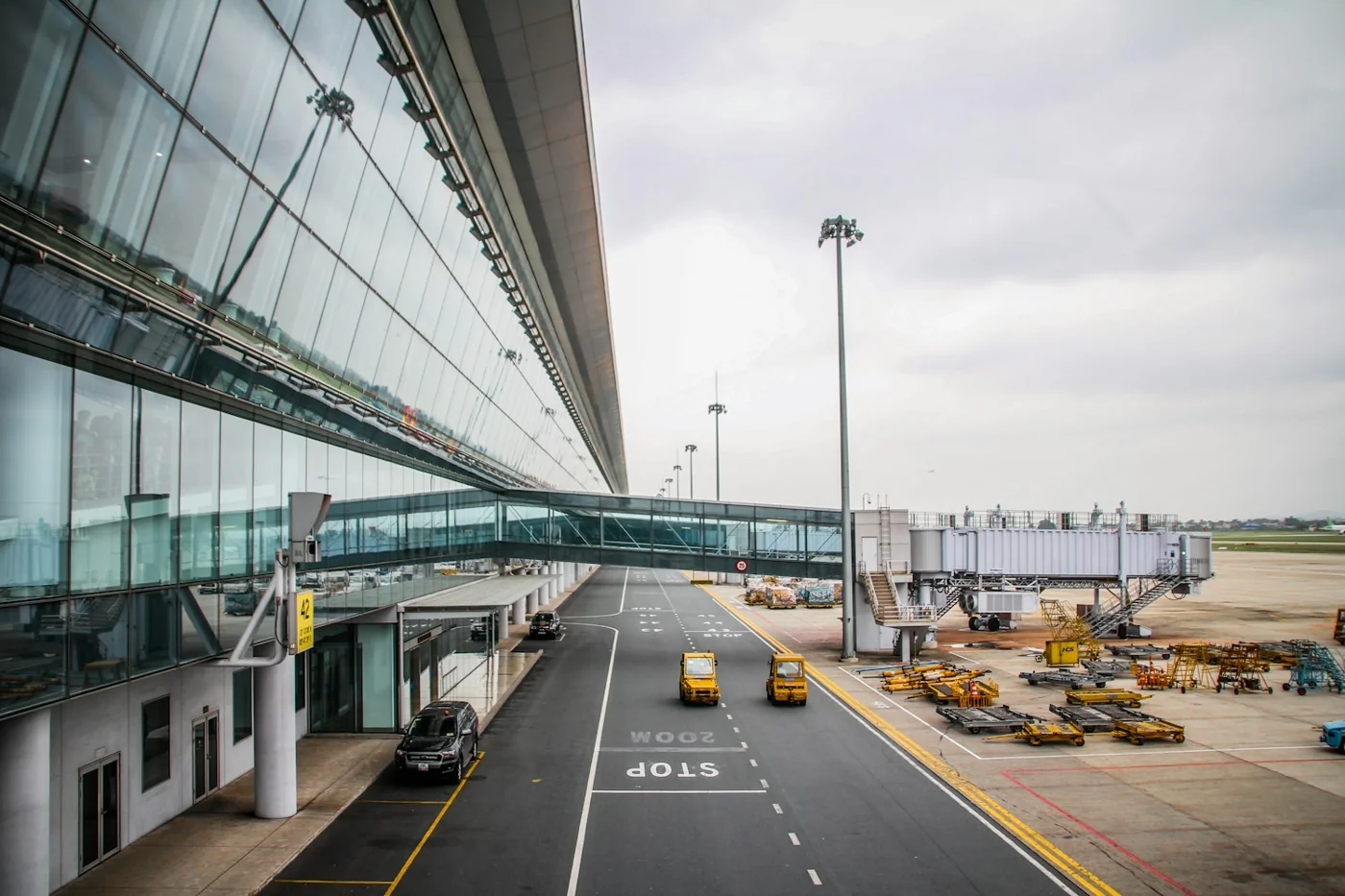
Compare door-to-door time
For air: airport journey, recommended buffer, security, boarding, flight, disembarkation and final transfer. For rail: station access, buffer, journey and exit. On medium distances the time gap can be much smaller than flight duration suggests.
Flexibility has value
A changeable or refundable ticket may cost more but reduce risk when plans are uncertain. Compare similar conditions.
Usable travel time can matter
Two hours with a table, connectivity and access to your belongings may be more useful than a journey fragmented by queues, checks and transfers.
Our method
Create two columns: price paid, return transfers, baggage, door-to-door time and flexibility. The winner depends on route and traveller; avoid rules such as ‘train is always cheaper’ or ‘flying is always faster’.
How we work
We verify information, cite sources where relevant and date our updates. Prices, availability and rules that may change should always be checked again with the relevant source or service.
Read our full method →